
AQI380PRO - Methacrylate Chemical anchors
A fast-curing, two-component, methacrylate/vinylester-based injection adhesive fastening system for high loads, offering high performance in cracked and uncracked concrete and under seismic conditions (C1).
FEATURES AND ADVANTAGES
- High-performance and versatile anchoring for high loads.
- Allows smaller spacings between fixings and reduced edge distances.
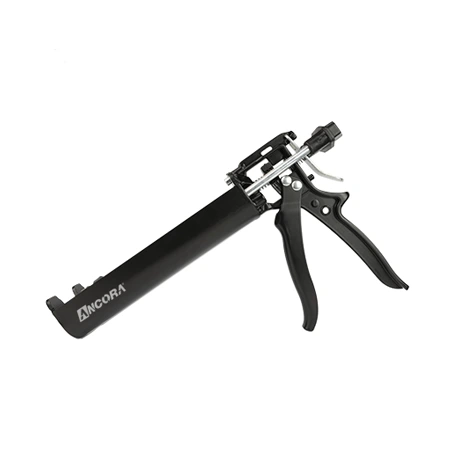
- Clean, agile and simple application with manual applicator and mixing nozzle.
- Excelente para aplicações com cargas dinâmicas e condições sísmicas.
- Dry, wet and submerged concrete installations.
- Styrene-free.
- Anchoring in hollow masonry (requires the use of a jacket).
- Thixotropic: does not run.
- No shrinkage.
- International technical approval (ETA).
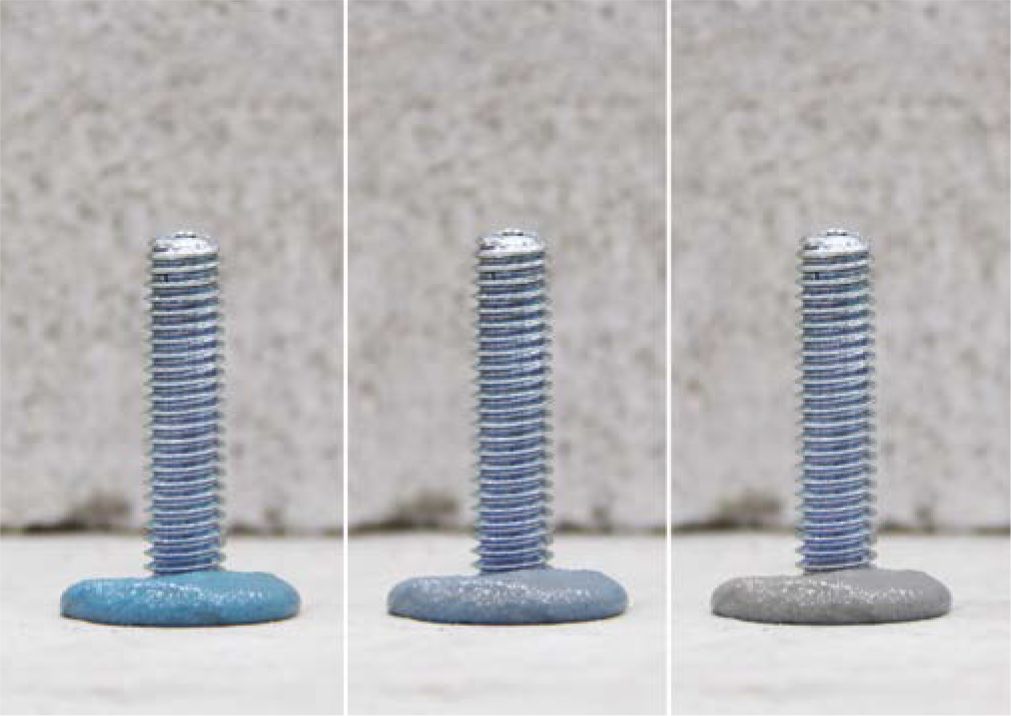
- VMC system: better control during installation; changes color after curing.
CERTIFICATIONS
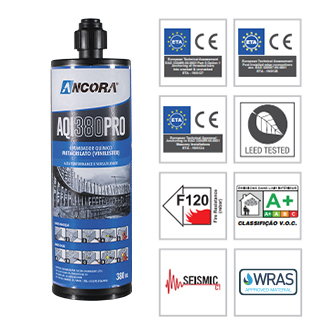
- ETA opção 1: ancoragem de barras roscadas e vergalhão em concreto fissurado, não fissurado e sob condições sísmicas (C1).
- ETA TR023: conexões de vergalhão pós-instalado.
- ETA – ETAG 029: ancoragem em elementos de alvenaria.
- F120: resistência ao fogo para
barras roscadas. - VOC A+.
- LEED.
- WRAS: aprovação para uso com água potável.
STORAGE CONDITIONS
Store in a cool, dry place at a temperature below 25ºC. Do not expose the product to the sun. Provided it is stored under optimum conditions, it has a shelf life of 15 months after the date of manufacture.
MAIN APPLICATIONS
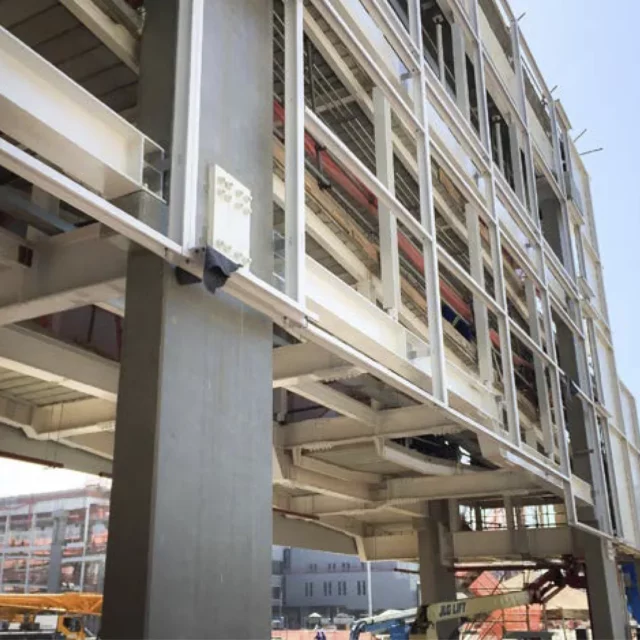
- Structural applications in cracked and uncracked concrete.
- Aplicações sob condições sísmicas.
- Rebar anchoring for recovery and structural reinforcement in concrete beams and columns.
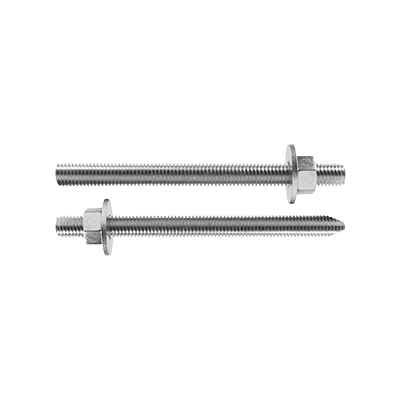
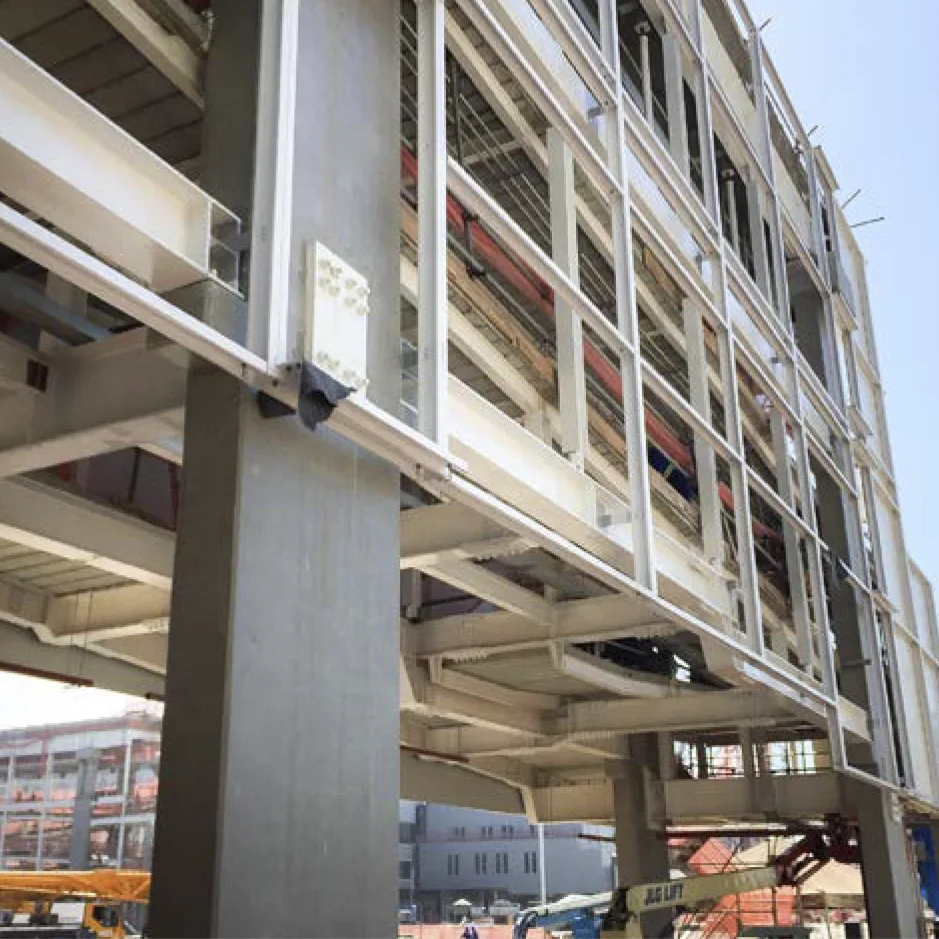
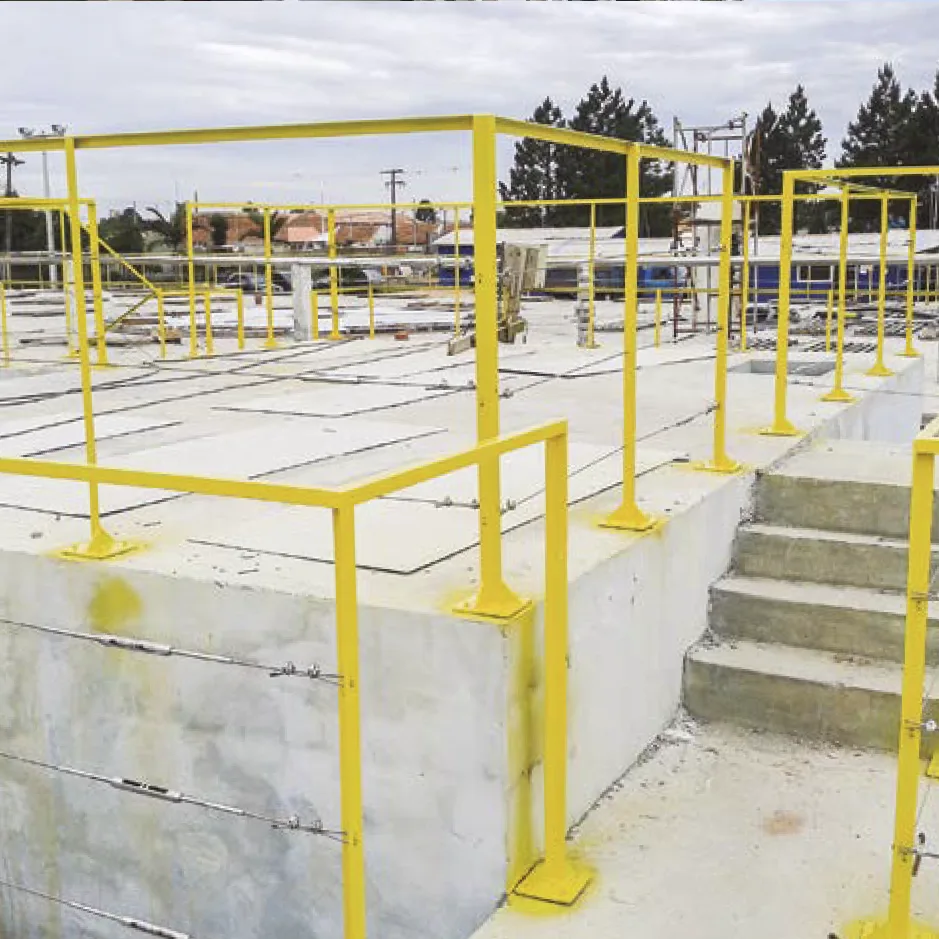
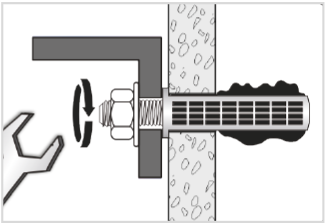
- Anchoring threaded rods for fixing metal structures and parts.
- Installation of machinery, engines and equipment.
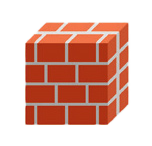
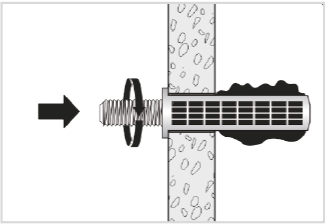
- Installation of threaded bars in solid and hollow masonry.
APPLICATION METHOD
Preparation
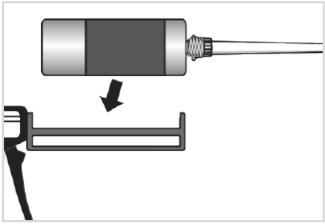
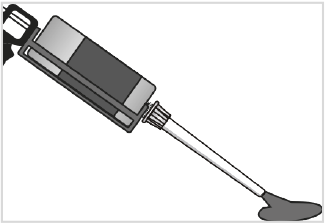
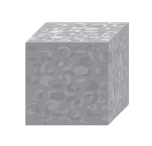
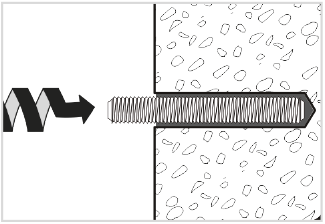
Massive bases - Prisoner
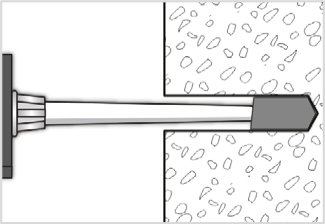
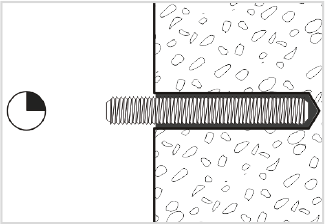
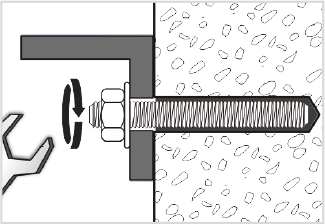
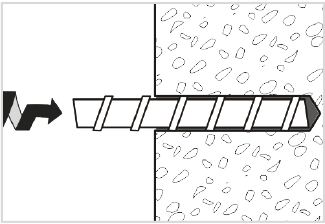
Rebar
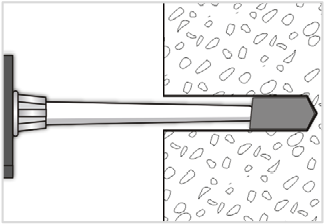
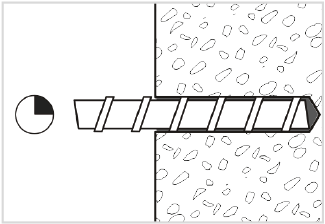
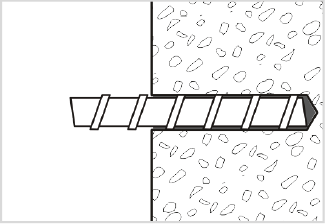
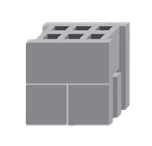
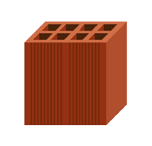
Hollow bases
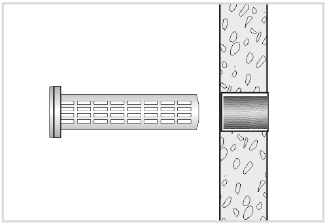
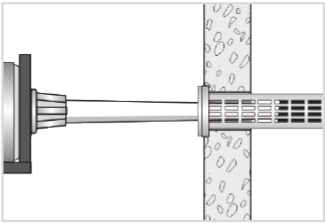
| Physical properties | Packaging | Applicator |
|---|---|---|
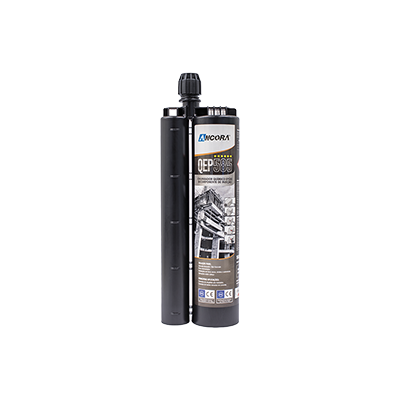
| Density 1.5 / Styrene and solvent free / No shrinkage | 410 ml cartridges (two-component 10:1) | APL380 |
| Working and curing time | |||||
|---|---|---|---|---|---|
| Base material temperature | +5ºC to +10ºC |
+10ºC to +15ºC |
+15ºC to +20ºC |
+20ºC to +25ºC |
+25ºC to +30ºC |
| Working time¹ | 10 min. | 8 min. | 6 min. | 5 min. | 4 min. |
| Curing time² | 2h25 min. | 1h25 min. | 1h15 min. | 50 min. | 40 min. |
(2) This is the minimum curing time required for the working load to be applied, considering the lowest material temperature in the range.
VIDEO
THREADED ROD
| Diameter | Hole (mm) | Recommended minimum distance4 (mm) | Wrench (inch) | Torque5 (kgf.m) | Fixings by cartridge 6 | Ultimate loads² (kgf) | Characteristic load³ according to ETA TR029 certification (kgf) | |||||
|---|---|---|---|---|---|---|---|---|---|---|---|---|
| (in.) | (mm) | Diameter | Depth¹ | Fastener fastener | Edge fastener | Tensile | Shear | Tensile | Shear | |||
| 5/16" | 8 | 10 | 64 | 128 | 64 | 1/2" | 1,5 | 110 | 2.191 | 1.887 | 1.836 | 1.560 |
| 96 | 192 | 96 | 73 | 2.939 | 2.756 | |||||||
| 3/8" | 10 | 12 | 80 | 160 | 80 | 9/16" | 2 | 63 | 3.576 | 2.768 | 2.727 | 2.287 |
| 120 | 240 | 120 | 42 | 4.334 | 4.090 | |||||||
| 1/2" | 12 | 14 | 96 | 192 | 96 | 3/4" | 4,1 | 54 | 5.568 | 4.924 | 3.926 | 4.069 |
| 144 | 288 | 144 | 36 | 7.016 | 5.890 | |||||||
| 5/8" | 16 | 18 | 128 | 256 | 128 | 15/16" | 8,2 | 24 | 7.605 | 8.017 | 6.614 | 6.625 |
| 192 | 384 | 192 | 16 | 11.590 | 9.920 | |||||||
| 3/4" | 20 | 22 | 160 | 320 | 160 | 1.1/8" | 15,3 | 12 | 10.480 | 11.818 | 9.759 | 9.766 |
| 240 | 480 | 240 | 8 | 17.092 | 14.639 | |||||||
| 7/8" | 22 | 25 | 176 | 352 | 176 | 1.5/16" | 18,4 | 10 | 14.253 | 16.272 | 11.225 | 13.447 |
| 264 | 528 | 264 | 6 | 19.944 | 16.838 | |||||||
| 1” | 24 | 28 | 192 | 384 | 192 | 1.1/2" | 22,4 | 8 | 16.688 | 21.304 | 13.226 | 17.605 |
| 288 | 576 | 288 | 5 | 21.848 | 19.840 | |||||||
| 1.1/4" | 32 | 35 | 256 | 512 | 256 | 1.7/8" | 30,6 | 4 | 24.070 | 35.047 | 16.040 | 28.962 |
| 384 | 768 | 384 | 2 | 39.604 | 24.059 | |||||||
2 The values obtained are based on the average of tests and technical specifications, using an ASTM A193 B7 rod and 30MPa concrete. Attention: these values are ultimate loads, always use the safety coefficient.
3 The characteristic strength values are based on the combined failure of sliding and concrete cone, according to the calculation assumptions of ETA TR029. IN THIS CASE, the safety coefficients must be considered in accordance with the parameters set out in the product certification.
4 Minimum recommended distance, for shorter distances consult the technical department.
5 Values valid for ASTM A193 B7 rods / ASTM A194 2H nuts.
6 Estimated values under ideal conditions of use.
REBARS
| Diameter | Hole | Cartridge fixings² | Characteristic yield load³ (kgf) | Ultimate tensile loads4 (kgf) | |
|---|---|---|---|---|---|
| (inch) - (mm) | Diameter (mm) | Depth¹ (mm) | |||
| 5/16" - 8 | 12 | 115 | 40 | 2.563 | 4.450 |
| 400 | 11 | ||||
| 3/8" - 10 | 14 | 145 | 27 | 4.004 | 6.140 |
| 500 | 7 | ||||
| 1/2" - 12,5 | 16 | 170 | 21 | 6.257 | 10.620 |
| 600 | 6 | ||||
| 5/8" - 16 | 20 | 230 | 11 | 10.251 | 13.200 |
| 800 | 3 | ||||
| 3/4" - 20 | 25 | 285 | 6 | 16.018 | 24.860 |
| 1.000 | 1,7 | ||||
| 1" - 25 | 30 | 355 | 3 | 25.028 | 32.540 |
| 1.000 | 1,3 | ||||
| 1.1/4" - 32 | 40 | 685 | 1 | 41.005 | 52.125 |
| 1.000 | 0,7 | ||||
2 Estimated values under ideal conditions of use.
3 Characteristic yield load considering the use of CA50 rebar.
4 The values obtained are based on the average of tests and technical specifications, using CA50 rebar and 30MPa concrete.
Safety coefficients must be applied according to the project.
HOLLOW BASES - STUD AND PLASTIC SLEEVE
| Threaded rod | Sleeve | Hole | Minimum recommended distance² (mm) | Wrench (inch) | Torque³ (kgf.m) | Fixings by cartridge4 | Ultimate loads¹ (kgf) | |||
|---|---|---|---|---|---|---|---|---|---|---|
| (in.) | Diameter (mm) | Minimum depth | Fastener fastener | Edge fastener | Tensile | Shear | ||||
| 1/4" | 12 x 50 CAM12050 | 12 | 55 | 1 block | 1/2 block | 7/16" | 0,3 | 54 | 350 | 280 |
| 5/16" | 1/2" | 0,4 | 450 | 360 | ||||||
| 3/8" | 16 x 85 CAM15080 | 16 | 90 | 9/16" | 0,4 | 21 | 660 | 360 | ||
| 3/8" | 16 x 130 CAM15130 | 16 | 135 | 9/16" | 0,4 | 13 | 710 | 360 | ||
| 1/2" | 20 x 85 CAM2085 | 20 | 90 | 3/4" | 0,6 | 11 | 710 | 360 | ||
| Threaded rod | Sleeve | Hole | Minimum recommended distance² (mm) | Wrench (inch) | Torque³ (kgf.m) | Fixings by cartridge4 | Ultimate loads¹ (kgf) | |||
|---|---|---|---|---|---|---|---|---|---|---|
| (in.) | Diameter (mm) | Minimum depth | Fastener fastener | Edge fastener | Tensile | Shear | ||||
| 1/4" | 12 x 50 CAM12050 | 12 | 55 | 1 block | 1/2 block | 7/16" | 0,3 | 54 | 220 | 280 |
| 5/16" | 1/2" | 0,4 | 330 | 360 | ||||||
| 3/8" | 16 x 85 CAM15080 | 16 | 90 | 9/16" | 0,4 | 21 | 610 | 360 | ||
| 3/8" | 16 x 130 CAM15130 | 16 | 135 | 9/16" | 0,4 | 13 | 610 | 360 | ||
| 1/2" | 20 x 85 CAM2085 | 20 | 90 | 3/4" | 0,6 | 11 | 610 | 360 | ||
2 Recommended minimum distance, for smaller distances consult the technical department.
3 Values valid for SAE 1010/1020 rods.
4 Estimated values under ideal conditions of use.
APPLICATION EXAMPLES
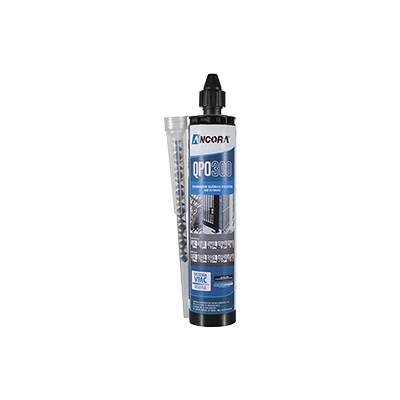
The AQI380PRO and QPO300 are high-performance and versatile chemical anchor bolts, internationally certified, and feature an unprecedented and exclusive solution in Brazil: the VMC (Verification of Mixing and Curing) system. As its name implies, the system shows the stage of the curing process through its color. At the time of application, when mixed, the resin is blue in color and as the process takes place, its color gradually changes to gray, indicating that curing is complete. This makes the installer's job easier, as they have a visual guarantee of when the product has cured and is ready to be loaded.